Enhancing Building Efficiency: The Multifunctionality of Spray Foam Insulation May 26, 2026
Understanding the Multifunctionality of Spray Foam Insulation
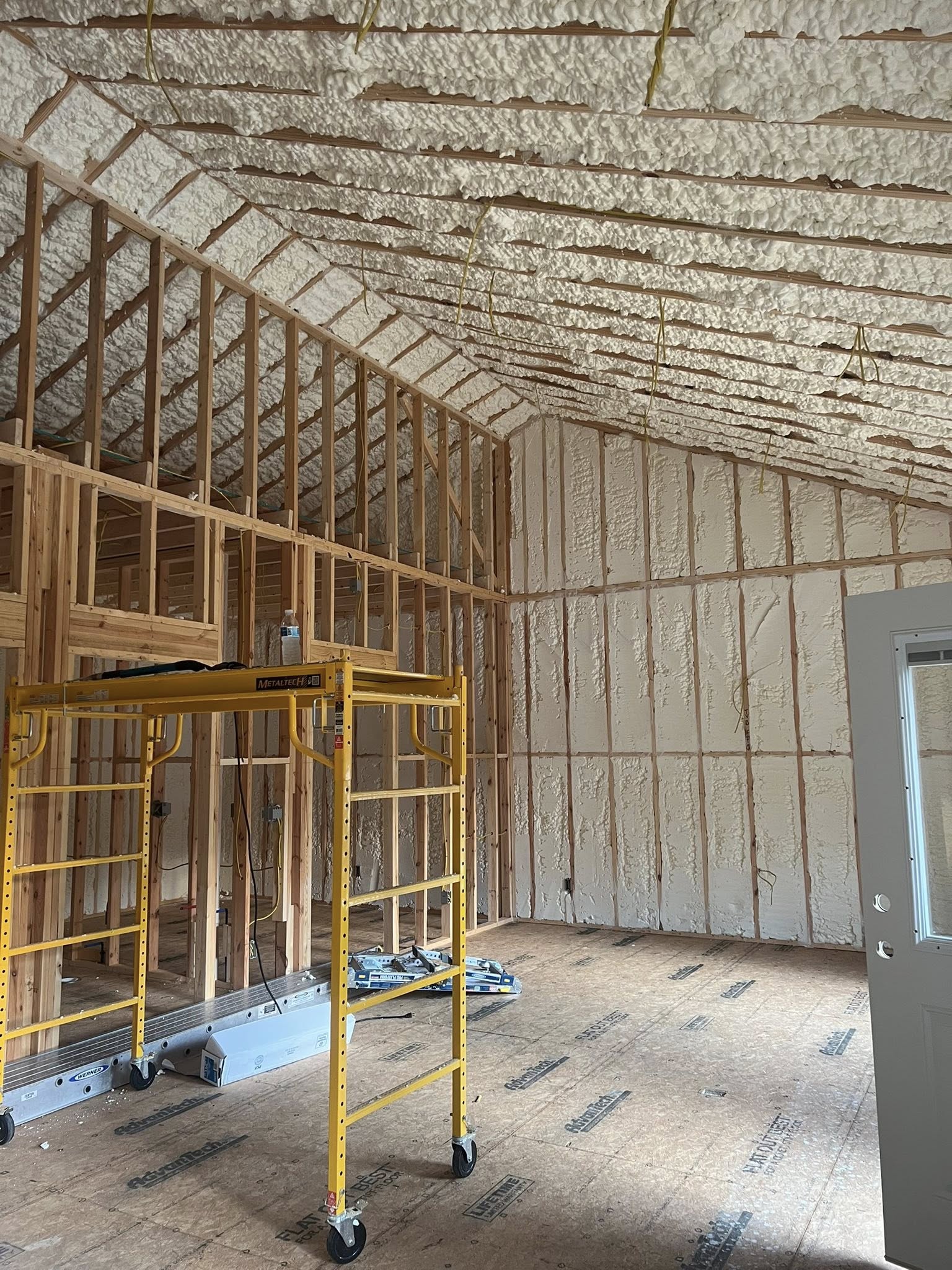
The primary function of spray foam insulation is, of course, to insulate. However, its capabilities extend far beyond thermal resistance. Spray foam acts as a superior barrier against air leaks, which are a major cause of energy loss in buildings. By filling up gaps and crevices that traditional insulation materials might miss, spray foam helps maintain a consistent indoor climate, reducing the strain on heating and cooling systems and leading to noticeable reductions in energy bills.
Beyond insulation and air sealing, spray foam also provides soundproofing benefits. This can be a significant advantage for properties in noisy urban areas or for buildings with high interior noise levels. The dense cellular structure of spray foam acts to dampen sound transmission, offering a quieter and more peaceful indoor environment.
Additionally, spray foam insulation enhances structural integrity. When applied, the foam expands and hardens, adding a layer of strength to walls, ceilings, and roofs. This additional rigidity helps buildings withstand adverse weather conditions and external forces, extending the lifespan of the property.
Environmental Benefits and Sustainability
Foam Force Solutions prides itself on using eco-friendly spray foam options that contribute to sustainability. Because it significantly improves energy efficiency, spray foam insulation reduces the carbon footprint of a building. Less energy consumption results in lower emissions, aligning with global efforts to combat climate change.
Moreover, spray foam insulation is durable and long-lasting, requiring little to no maintenance once installed. This longevity reduces the need for repeated replacements and reduces waste over time. Many modern formulations are made with renewable or recycled materials, further enhancing their environmental credentials.
Choosing the Right Type of Spray Foam
When considering spray foam for your building, it's important to understand the differences between open-cell and closed-cell foam. Open-cell foam is less dense and more flexible, making it ideal for interior applications where soundproofing and easy application are priorities. Closed-cell foam, on the other hand, is denser and provides a higher R-value, making it suitable for exterior walls and roofs where maximum insulation and moisture resistance are crucial.
The team at Foam Force Solutions is equipped to guide you through the selection process, ensuring the right type of spray foam is used for your specific needs.
Final Thoughts on Spray Foam Insulation
In conclusion, the multifunctionality of spray foam insulation makes it a highly effective choice for improving building efficiency. Whether you're constructing a new building or retrofitting an existing one, choosing spray foam can lead to cost savings, enhanced comfort, and improved property value. At Foam Force Solutions, we are dedicated to offering high-quality spray foam services that meet the diverse needs of our clients, ensuring a productive and sustainable environment for years to come. Reach out today to discover how spray foam insulation can transform your building into a model of efficiency and comfort.
/filters:no_upscale()/filters:format(webp)/media/212624d8-2f0c-4892-aa68-49e19ae52616.jpeg)
/filters:no_upscale()/filters:format(webp)/media/cec08d0b-e9eb-40e2-a27d-930cf59c4a96.jpeg)