Mastering Air Quality: Benefits of Integrating Spray Foam in Homes Apr 13, 2026
The importance of maintaining good indoor air quality cannot be overstated. Poor air quality can lead to a host of health problems, including allergies, respiratory issues, and other long-term health complications. This is where spray foam insulation shines, offering a solution that extends beyond mere temperature control.
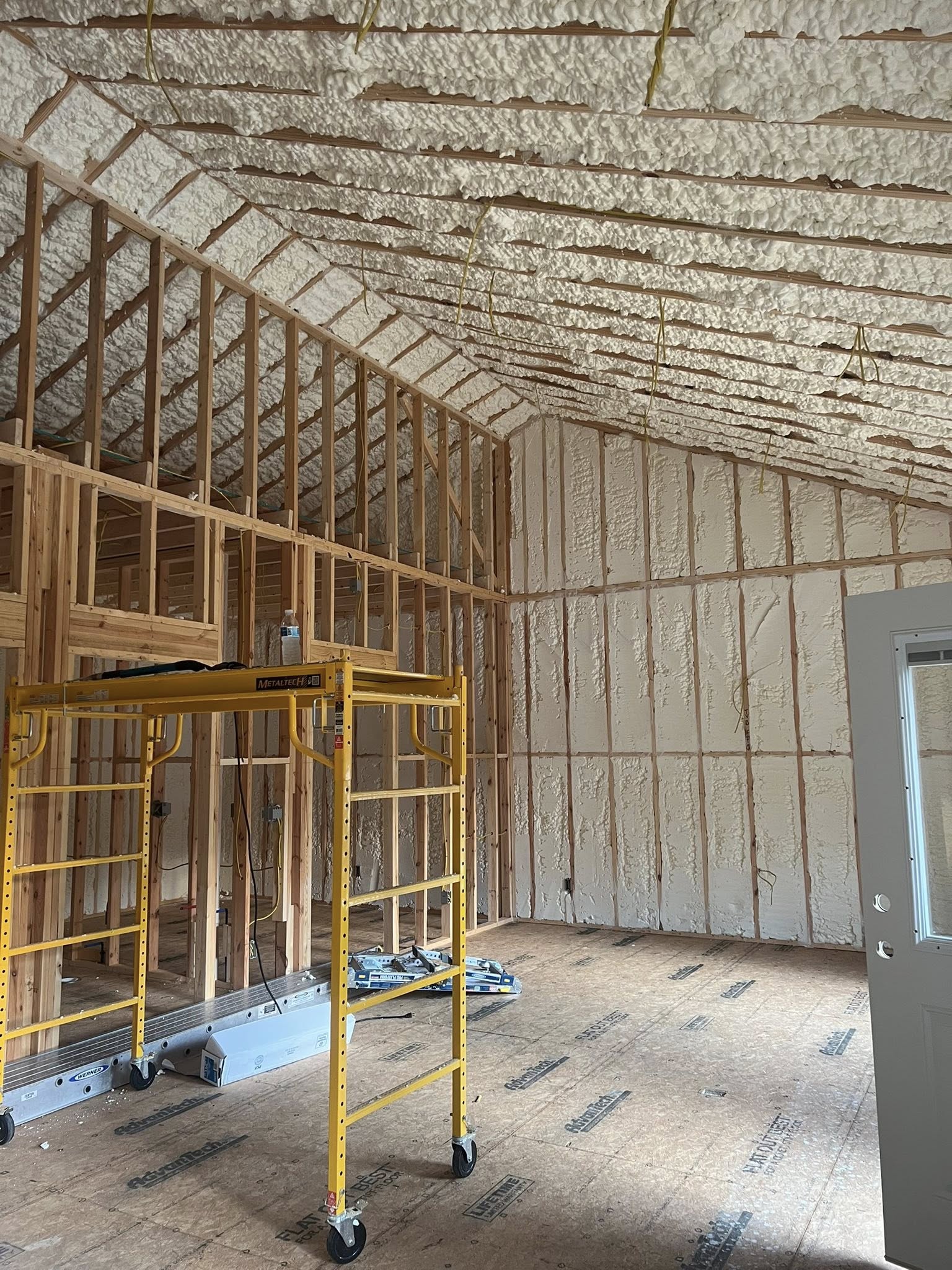
Spray foam insulation forms an airtight seal, effectively blocking the infiltration of outdoor pollutants such as pollen and dust. Unlike traditional insulation materials, spray foam expands to fill even the smallest of cracks and gaps in the building structure. This comprehensive coverage minimizes drafts and significantly reduces the entry of external pollutants, which are common culprits in deteriorating indoor air quality.
Moreover, spray foam’s moisture-resistant properties help combat mold growth, a common concern with traditional insulation types. When air containing moisture enters the home and interacts with cold surfaces, it often leads to condensation—a breeding ground for mold and mildew. Spray foam insulation prevents moisture from seeping through, reducing mold risks and thereby contributing to better air quality.
Energy efficiency is another compelling benefit. Homes with spray foam insulation tend to experience lower energy consumption, as the airtight seal prevents heat loss and gain more effectively than other insulation types. This not only leads to a more comfortable living space but also reduces the strain on HVAC systems. Systems that operate efficiently give off fewer emissions and pollutants, further contributing to improved air quality.
However, the benefits do not end here. Spray foam insulation also plays a significant role in soundproofing homes. By creating a barrier that absorbs sound waves, it minimizes noise pollution inside the house, making the indoor environment more serene and conducive to relaxation and productivity.
In terms of economic value, homeowners might find spray foam insulation to be a worthy investment. Although the initial cost is higher than traditional insulation types, the long-term savings on energy bills and the extension of the life of HVAC systems can make it a cost-effective choice. Additionally, the health benefits associated with improved air quality can lead to fewer medical expenses related to respiratory issues over time.
In conclusion, the integration of spray foam insulation by companies such as Foam Force Solutions represents a forward-thinking approach to home improvement, with the added benefit of enhancing indoor air quality. As awareness grows about the myriad benefits of spray foam insulation, it becomes clear that its role extends far beyond mere temperature regulation. By choosing spray foam, homeowners not only invest in their property's energy efficiency but also in their health and wellbeing.
Whether you're building a new home or upgrading an existing one, consider the profound impact that spray foam insulation can have on your living environment. Contact a reputable provider such as Foam Force Solutions to explore how this innovative approach can benefit you. Take control of your indoor air quality today, ensuring a healthier tomorrow.
/filters:no_upscale()/filters:format(webp)/media/212624d8-2f0c-4892-aa68-49e19ae52616.jpeg)
/filters:no_upscale()/filters:format(webp)/media/cec08d0b-e9eb-40e2-a27d-930cf59c4a96.jpeg)